Jun 03, 2026•5 min read•
Japanese Board Games: Localisation Beyond Language
Board games in Japan reveal the cultural choices behind localisation, from adapted classics to original Japanese designs.
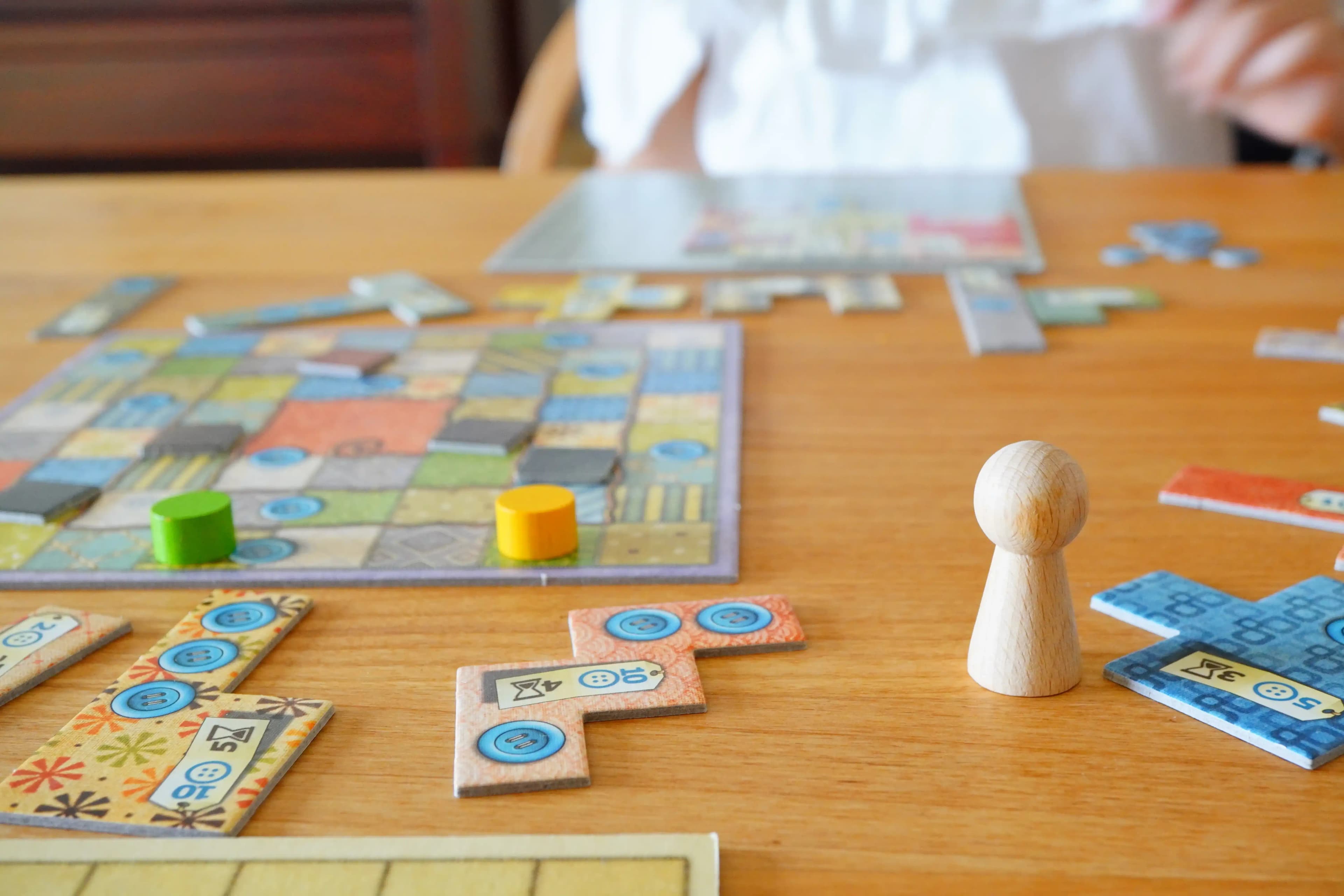
At a glance, Monopoly in Japan looks much like it does anywhere else. The board, dice, and property trading mechanics remain familiar, even if the streets and landmarks have been adapted for Japanese board gamers.
Yet beyond translating rulebooks and instruction manuals, publishers often adapt themes, references, and even player experiences to better suit local audiences. After all, games are more than a collection of mechanics. They reflect cultural assumptions about competition, cooperation, success and social interaction.
That makes Japanese board games an unusually visible example of localisation beyond language. Whether adapting Western titles for Japanese players or introducing Japanese games to overseas markets, the choices made along the way can reveal just as much about culture as the words printed on the board.
Revealing the Meaning of Localisation
Board games consist of far more than sets of rules and instructions. Similar to films, adverts and websites, games are shaped by cultural assumptions around competition, cooperation, risk, and social interaction. As such, localising a board game isn't just about translating an instruction manual; it's about adjusting the game's mechanics and player experience.
This is one of the reasons Western board games don't always travel seamlessly into Japan. Mechanics built around aggressive competition, direct confrontation, or the elimination of other players can feel out of touch as Japanese culture tends to place greater emphasis on group harmony and shared enjoyment. Even when the rules remain technically unchanged, the tone of the experience may need to be adjusted through design and presentation. For example, a highly competitive game might use friendlier artwork, softer messaging and place greater emphasis on shared participation rather than individual victory.
There are also practical considerations that influence localisation. Many Japanese homes have less space for large boards, oversized components, or lengthy multi-hour sessions. This has helped shape a preference for compact designs, portable games, and elegant rulesets that are easy to learn but highly replayable.
Together, these changes highlight an important principle of localisation: it's not just language that needs translating.
Cultural Adaptations
Monopoly is often considered a universal board game. The objective is simple: acquire property, collect rent and ultimately drive your opponents into bankruptcy. Yet its journey around the world demonstrates how even the most recognisable games are shaped by culture.
Like most international versions of Monopoly, the Japanese edition replaces the original Atlantic City locations with landmarks and place names that are more familiar to local board gamers. In much the same way that Boardwalk becomes Mayfair in the UK edition, Japanese locations replace their American counterparts. While these changes are largely superficial, they illustrate how players engage more readily with experiences that reflect their own cultural context.
Another good example of this can be found in how The Game of Life, known as Jinsei Game (人生ゲーム, literally "Life Game"), has been adapted for Japan. The concept remains familiar, but the milestones and experiences represented throughout the game have evolved to better reflect Japanese society and local expectations around education, careers, family life and success.
A board game about life itself inevitably reflects assumptions about what success looks like, which milestones matter, and how people navigate adulthood. When those assumptions differ between cultures, localisation often requires more than changing words on a page.
Differing Design Philosophies
In many cases, the differences between Western and Japanese board games reflect contrasting approaches to game design.
Many Western hobby games emphasise individual strategy, asymmetric player powers, and increasingly complex rulesets. Modern Eurogames, for example, often reward long-term planning and optimisation, while American-style games frequently focus on direct conflict, dramatic storytelling and thematic experiences.
Meanwhile, Japanese board games often follow a different path. Traditional games such as karuta and sugoroku, as well as many modern Japanese titles, tend to favour elegance, accessibility and replayability. Rather than adding more mechanics or components, designers focus on creating engaging experiences from a relatively simple set of rules.
This philosophy can be seen in internationally successful titles such as Hanabi and Onitama. Both games offer considerable strategic depth despite their relatively minimalist designs. Hanabi transforms a standard deck of cards into a cooperative challenge built around limited communication, while Onitama creates surprising tactical complexity from just a handful of pieces. In different ways, both demonstrate how limitation can become a design strength rather than a flaw.
Interestingly, when Japanese-designed games are localised for Western audiences, publishers will sometimes expand components, increase production values, and provide more detailed explanations to match local expectations. The underlying game may remain unchanged, but the way it's presented to different audiences can vary greatly.
This reinforces the central lesson of localisation: successful adaptation relies on understanding what different audiences value and shaping the experience accordingly.
Beyond Boards and Borders
Looking back at the Japanese edition of Monopoly, it becomes easier to see more than just a familiar board game with different place names. Every change reflects an attempt to make the experience feel relevant within a different cultural context.
The same is true of Jinsei Game, Hanabi, Onitama and countless other titles. Whether adapting a Western game for Japanese audiences or introducing a Japanese game to players overseas, localisation involves far more than translating words. It requires an understanding of what audiences value, how they interact, and what makes an experience feel intuitive and engaging.
Board games may seem like an unlikely lesson in localisation, but they reveal an important truth. Every product carries cultural assumptions about communication, success, competition and cooperation. Effective localisation is about recognising those assumptions and adapting them thoughtfully for a new audience. Sometimes, the most meaningful changes are the ones players never consciously notice.
Categories
- Japanese Translation Articles
- Transcreation
- Translation and Localisation
- Japanese Creative Writing
- Japanese Language and Culture
- Marketing and Japanese Language